Ensemble
The seven vocal personalities–from coloratura soprano to countertenor to deep bass–are constantly exploring new forms of vocal expression through collaboration with artists from the fields of composition, poetry, video, conceptual art, and theater. They increasingly work with artists who harness the possibilities of digital media, driven by a desire for connectivity, the playful crossing of genres, and the dissolution of boundaries in space, perspective, and function. The ensemble’s work focuses on vocal chamber music theatre: hundreds of works have been composed specifically for the singers. Their engagement with a wide range of musical cultures is equally central.
With curiosity, empathy, and virtuosity, the singers lend their voices to diverse artistic positions, emphasizing cultural richness and diversity. Alongside their international guest performances, they regularly offer masterclasses in voice and vocal composition. They see it as a vital mission to encourage and support fellow artists, providing them with the space they need to express their creative ideas and aspirations. In recognition of their distinctive work, the Neue Vocalsolisten were awarded the Silver Lion at the 2021 Venice Biennale and the Italian Critics’ Prize Premio Abbiati in 2022.
Members
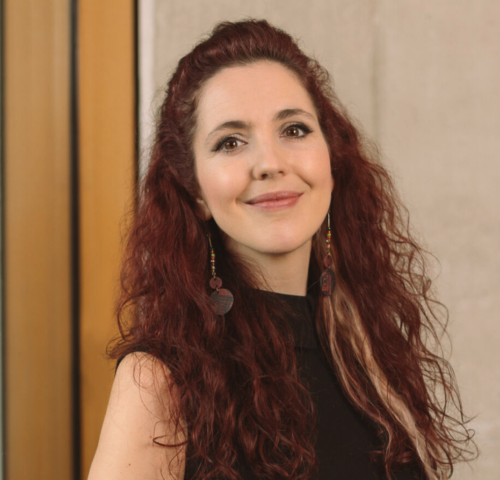
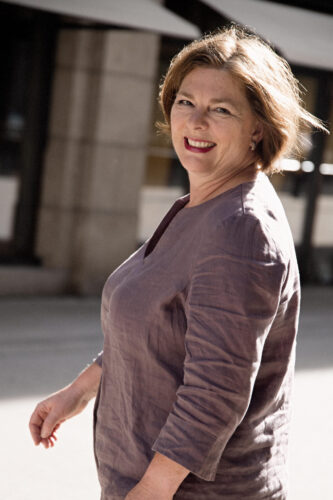
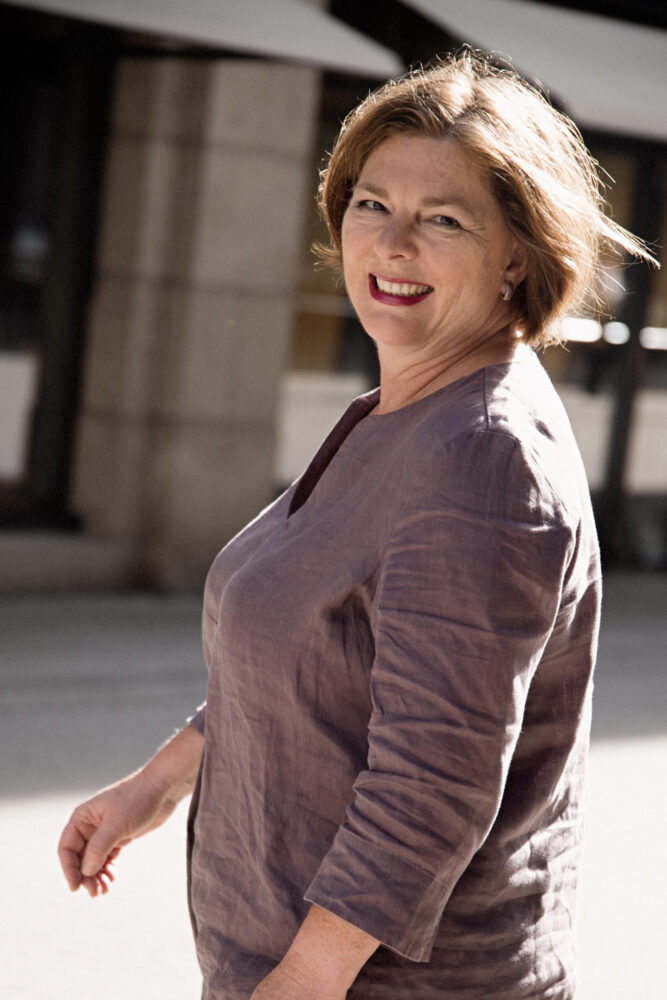


Ensemble Management


Christine Fischer
Media
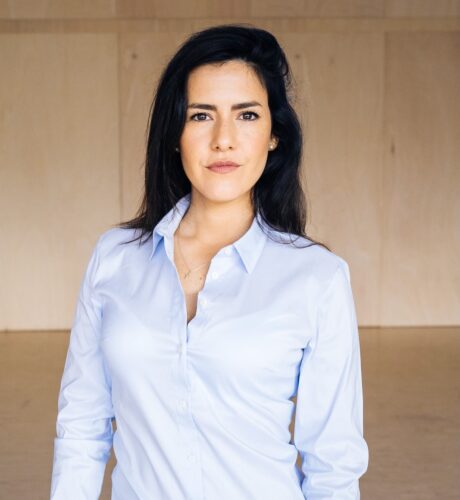
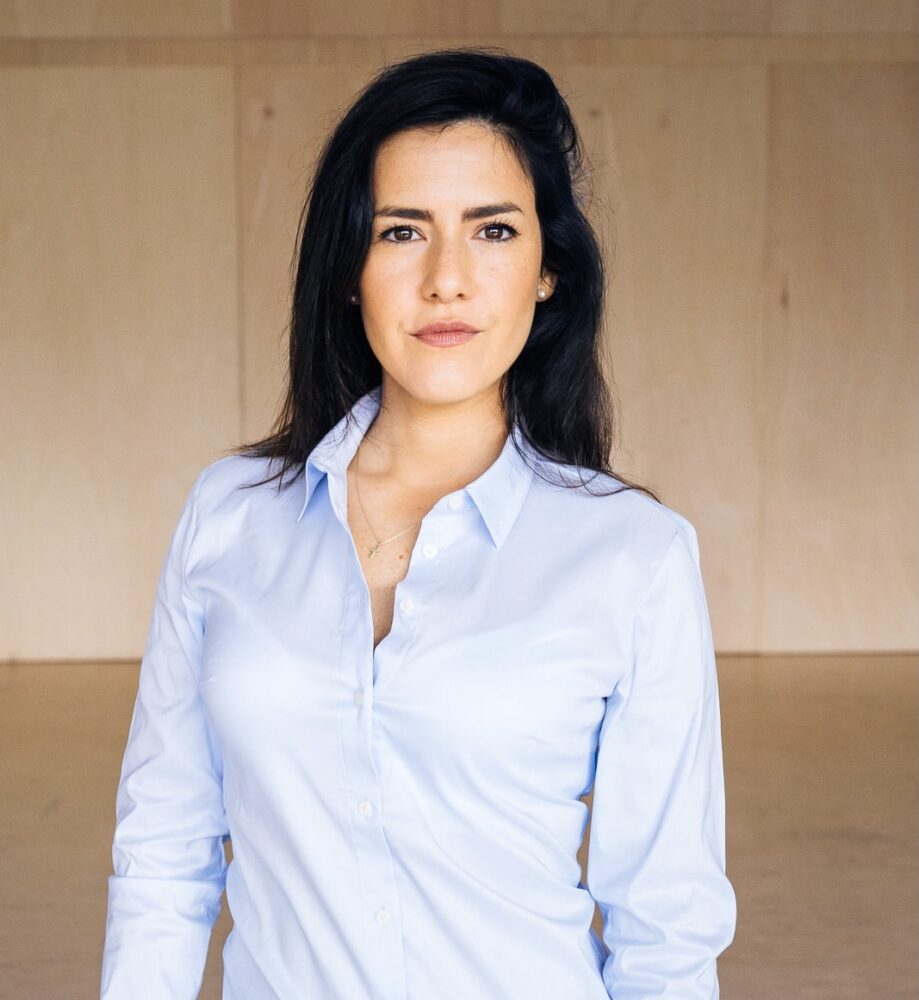
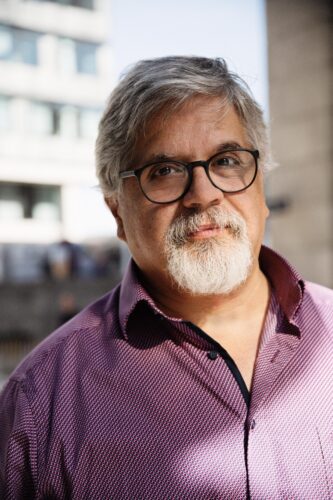
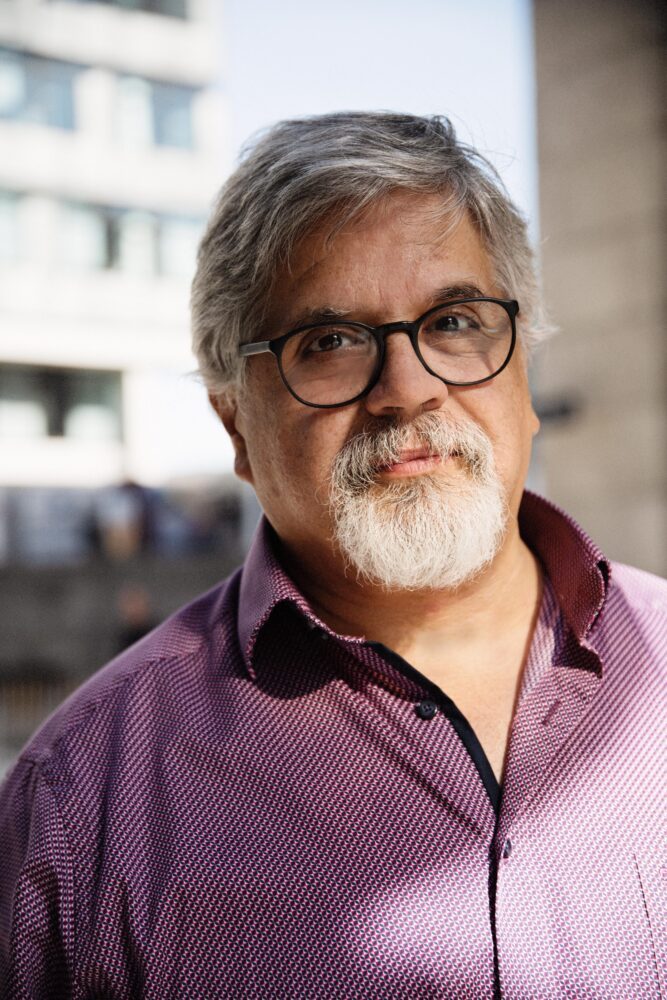
Portrait of Ricardo Eizirik
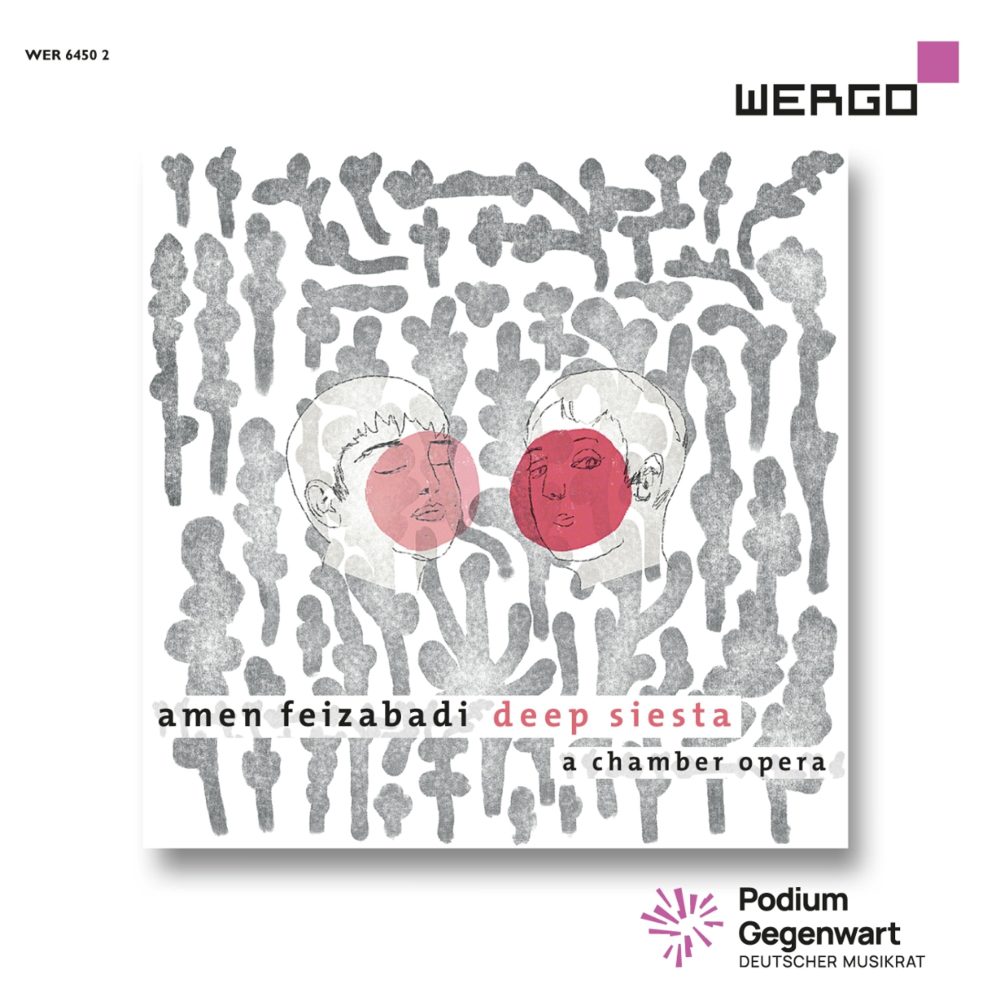
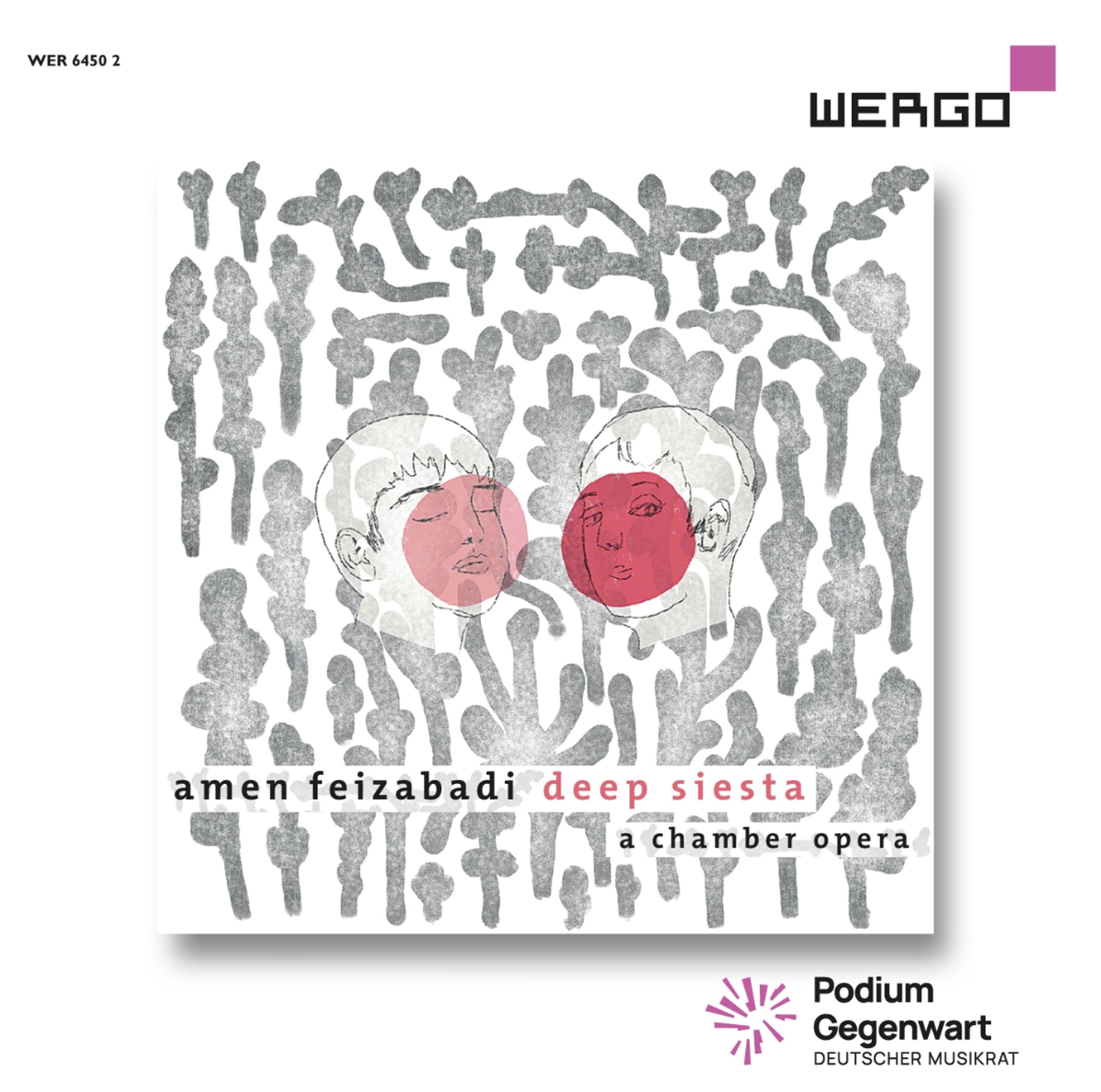
Amen Feizabadi: Deep Siesta
The chamber opera »Deep Siesta« in three acts by the Iranian composer Amen Feizabadi explores artificial consciousness, humanity, destruction and the wonder of existence.
Evis Sammoutis: Atrapós
Evis Sammoutis’ music is a dynamic fusion of physicality, virtuosity, and cultural depth. Drawing on his Cypriot roots and diverse training, his compositions explore tactile soundscapes, poetic contrasts, and neurological aesthetics.
Alessandro Bosetti: Portrait de voix


Fabien Lévy: De l’art d’induire en erreur
The music of Fabien Lévy thrives on ambiguity, paradox and sonic illusion. Influenced by spectralism and his mentors Grisey and Risset, Lévy embraces musical allusions–from visual arts to world traditions …
Mikel Urquiza: Espiègle
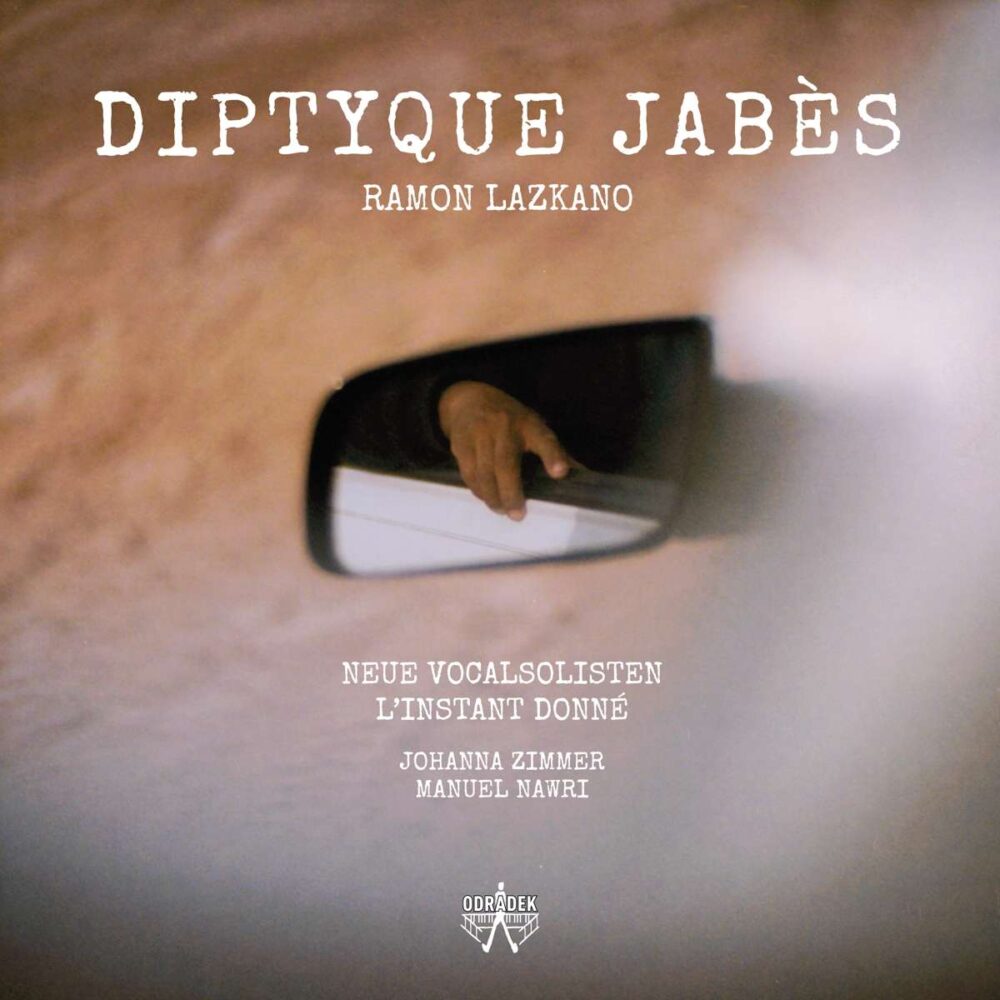
Ramon Lazkano: Diptyque Jabès

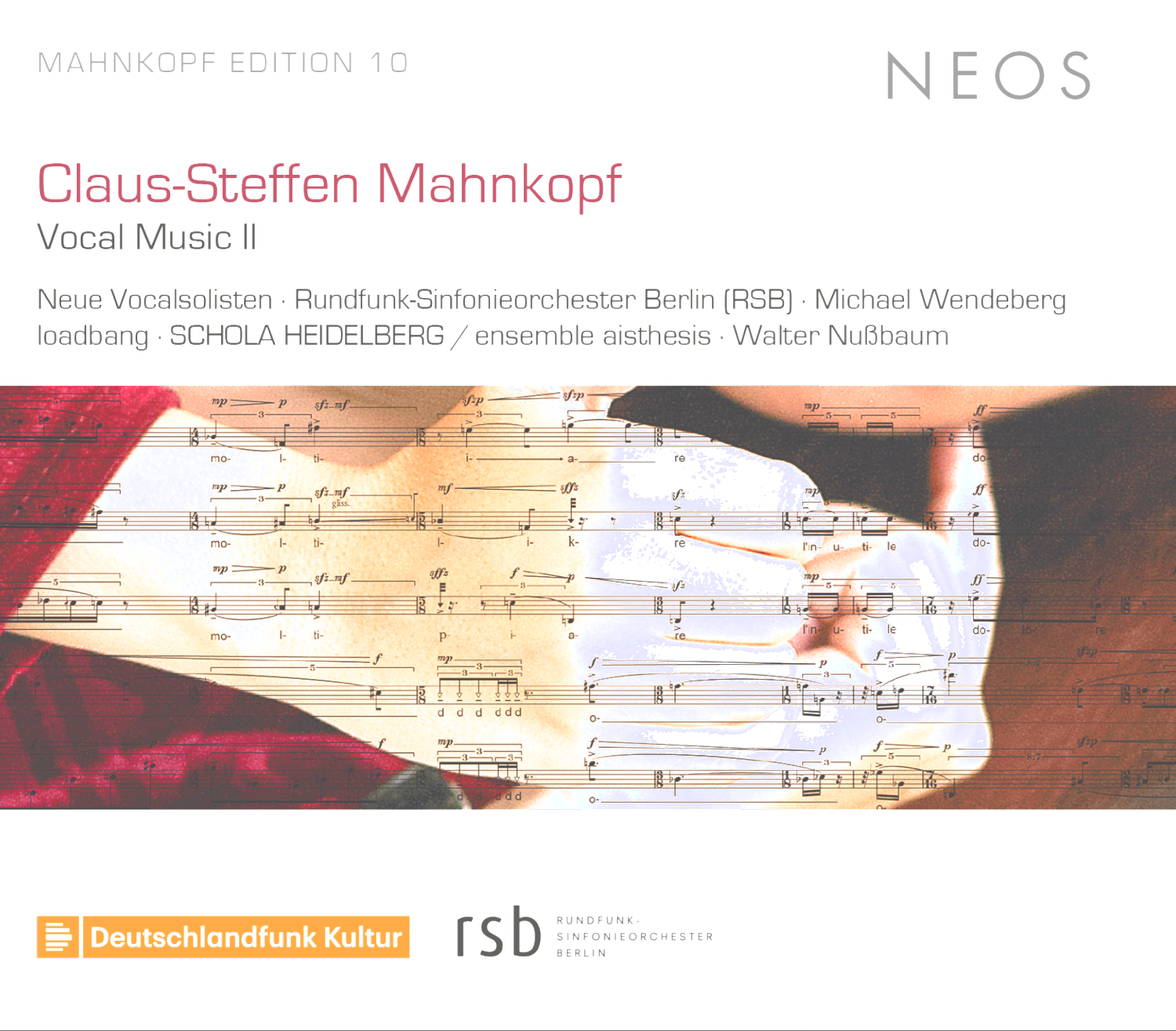
Claus-Steffen Mahnkopf: Vocal Music II

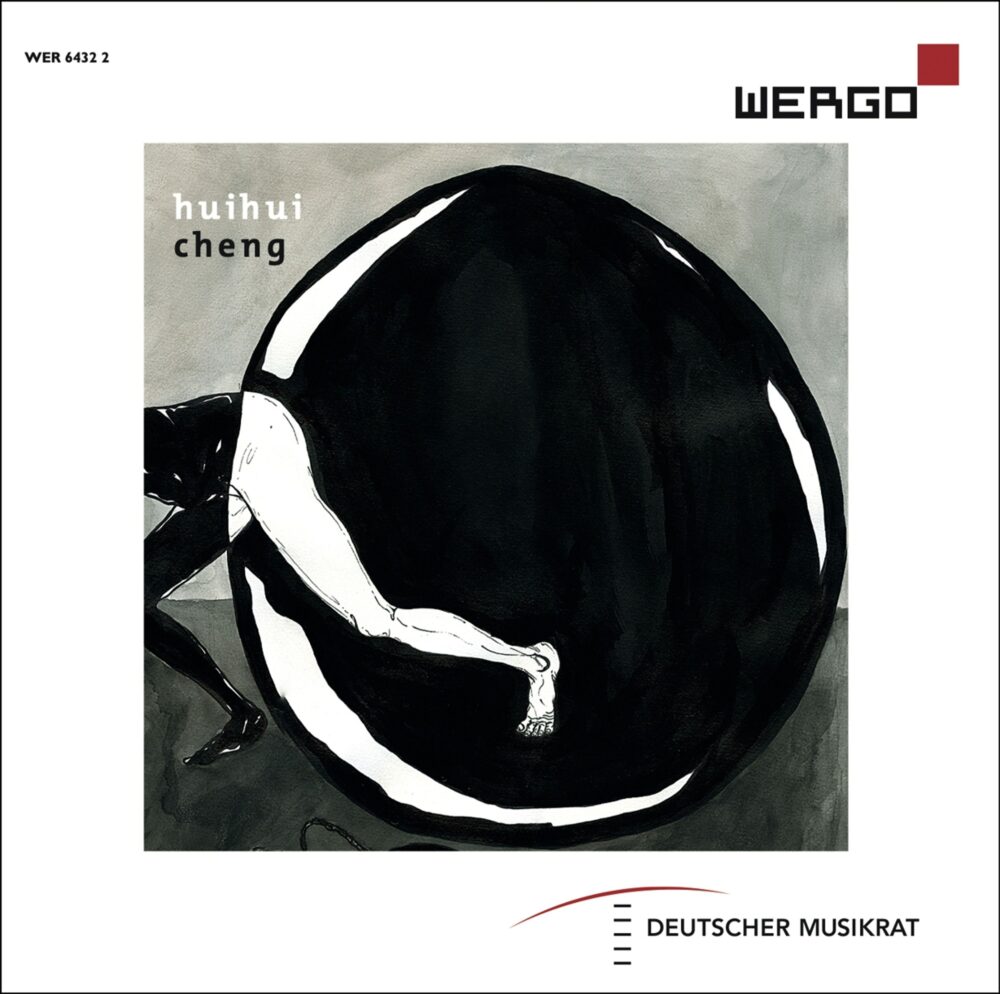
Huihui Cheng–Portrait
Zeynep Gedizlioğlu: verbinden und abwenden
Katharina Rosenberger: Tempi agitati
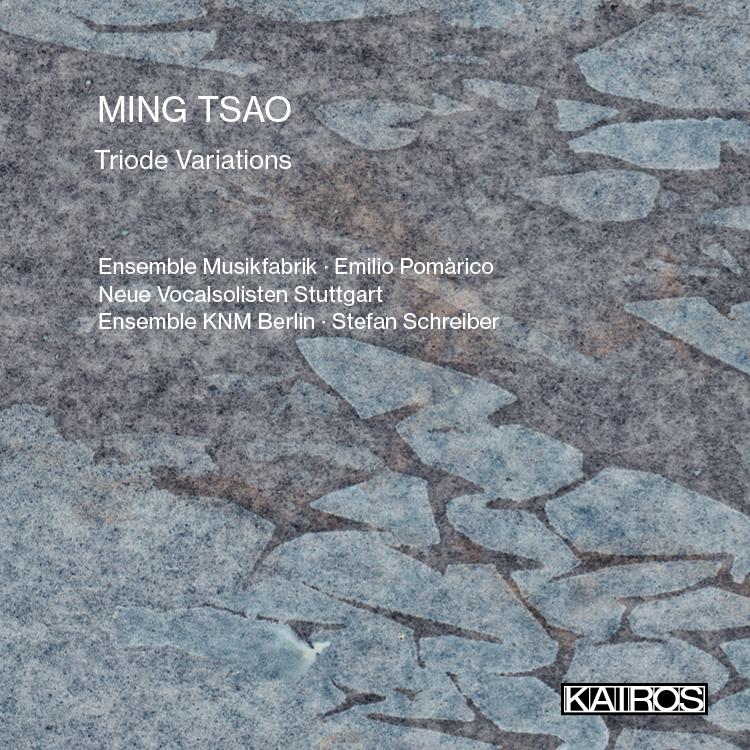
Ming Tsao–Das wassergewordene Kanonbuch

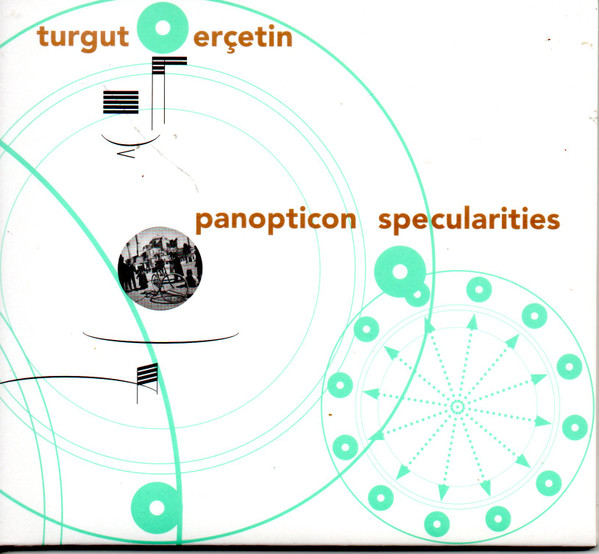
Turgut Erçetin–Panopticon Specularities
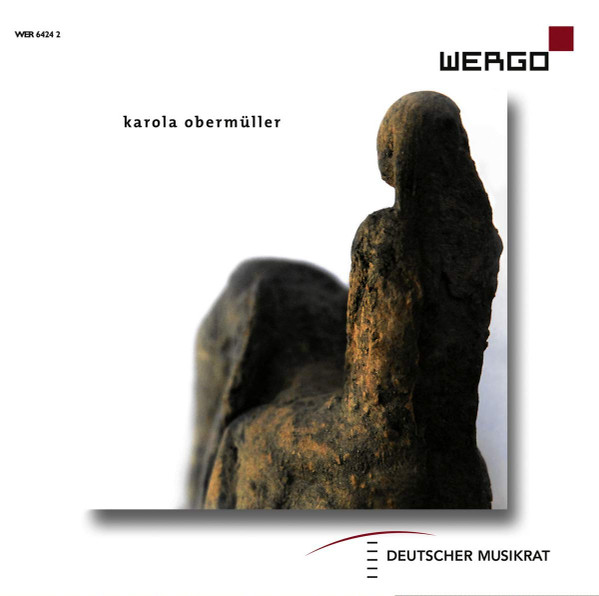
Karola Obermüller–Portrait
Zuriñe F. Gerenabarrena–Portrait
David Philip Hefti–Portrait
Georges Aperghis Wölfli-Kantata
Luciano Berio
Drama
Madrigali
Johannes Schöllhorn
José M. Sánchez-Verdú
Sarah Nemtsov–Portrait
Oscar Bianchi: Matra
Bernhard Gander–Monsters and Angels
Lucia Ronchetti
José Maria Sánchez-Verdú: Aura–Musictheatre
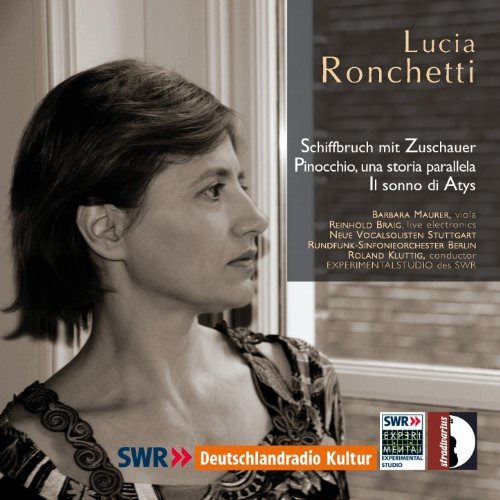
Portrait Lucia Ronchetti
Salvatore Sciarrino
12 Madrigali–A New Ecology of Sound
Salvatore Sciarrino, in collaboration with the Neue Vocalsolisten Stuttgart, explores a new ecology of sound through a chamber music-reduced form of polyphony. The Italian composer has used six Haikus by the Japanese poet Matsuo Bashō (1644–1694) as the text.
Andreas Dohmen–Portrait

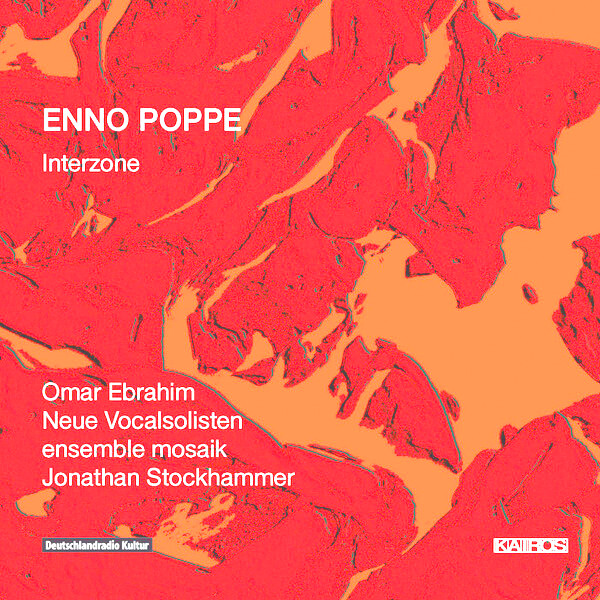
Enno Poppe: Interzone

Beat Furrer–Fama


Alles Theater!
works by
Georges Aperghis, Manuel Hidalgo,
Lucia Ronchetti, Luciano Berio,
Paolo Perezzani, Carola Bauckholt
Luigi Nono
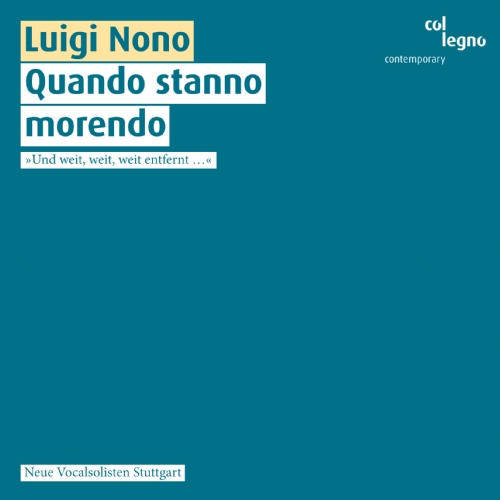
Often, it is events from private life that lead to the creation of works. »Sarà dolce tacere« (1960), for example, was composed for the 40th birthday of Nono’s (former) teacher and close friend, Bruno Maderna; and »Ha venido«, also composed in 1960, was written for the first birthday of his daughter. In contrast, »Djamila Boupachà« (1962), »Dónde estás, hermano« (1982), and »Quando stanno morendo« (1982) reflect the politically involved, engaged global citizen Nono.
It is remarkable how he infuses each of the works with specific sonic individuality while ultimately drawing on similar motifs: »Whether it is the monody of Djamila Boupachà or the multifaceted interactions between singing voices and instruments in Quando stanno morendo, which are further transformed and spatially moved through live electronics–as defined by the composer: This music possesses a distinct, musical eloquence. It ranges from the night-blackness of the second part of Quando stanno morendo to the spring enchantment of Ha venido, the gentle–in Sarà dolce tacere–to the painfully compelling call for another silence, for other, light-filled days in Djamila Boupachà.«
(Jürg Stenzl)
fuoco e ghiaccio
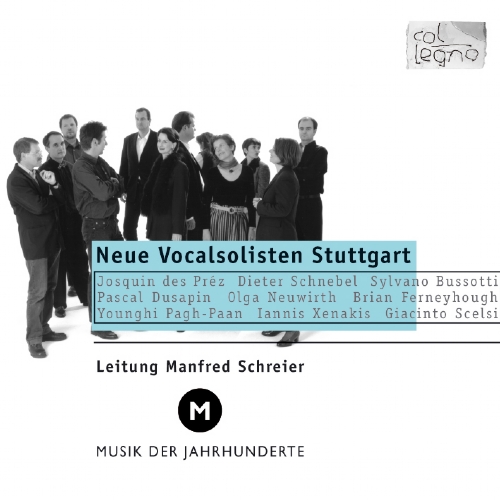
Neue Vocalsolisten Portrait
IOSIS. Zu Gesualdo

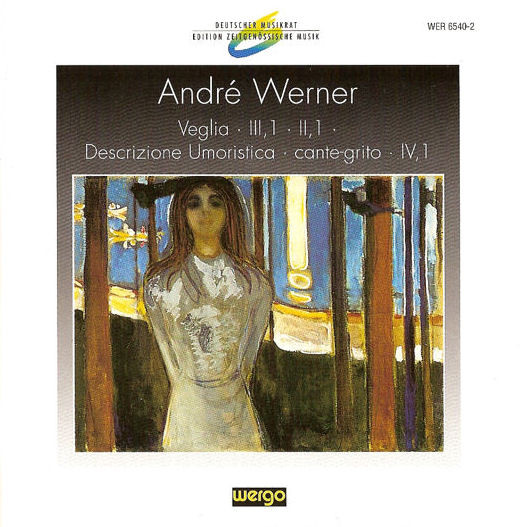
André Werner–Chambermusic